
Racing T-Shirt Creation - From High Resolution to the Finish Line: Creating Racing T-Shirts
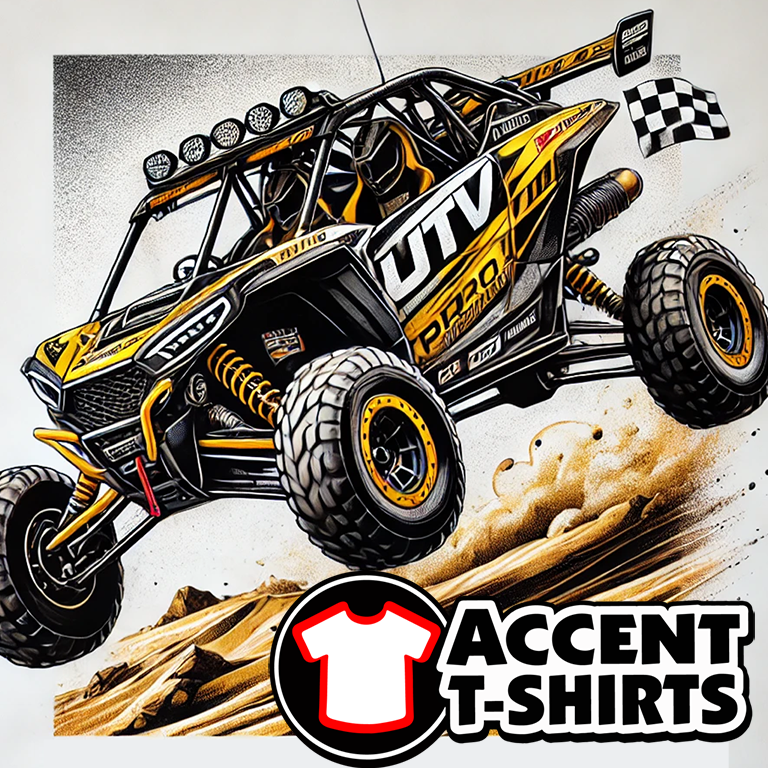

Racing t-shirts are more than just apparel; they’re a canvas of passion and creativity, connecting fans with their favorite teams, drivers, and sponsors. Crafting the perfect racing t-shirt design requires an artist’s touch, a technical eye, and a deep understanding of brand guidelines. Here’s an inside look at how an artist transforms high-resolution images into a dynamic racing t-shirt masterpiece.
Step 1: High-Resolution Base
The process begins with sourcing high-resolution images of the car, team logos, and sponsor graphics. These images serve as the foundation, ensuring that every detail is crisp and accurate. The artist carefully examines the images to identify the key elements that will anchor the design—the car’s shape, color scheme, and unique decals.
Step 2: Creating the Artist’s Outline
Using the high-resolution images as a reference, the artist hand-draws an outline of the car and any other design components. This step focuses on clean, precise lines to ensure the car’s silhouette and details are instantly recognizable. The outline is the skeleton of the design, setting the stage for the layers of creativity that follow.
Step 3: Adding Depth and Shading
To bring the design to life, the artist incorporates shading and highlights. Using digital or hand-drawn techniques, they mimic the reflections of light on the car’s surface, the shadows beneath its frame, and the texture of its decals. This step adds depth, creating a three-dimensional effect that captures the car’s dynamic presence on the track.
Step 4: Hand-Drawn Elements
Racing t-shirts often feature more than just the car; they’re a celebration of the sport. The artist may add hand-drawn elements like a checkered flag, flames, or motion lines to enhance the design’s energy and appeal. These touches give the t-shirt a unique, artistic flair that resonates with fans.
Step 5: Integrating Logos and Branding
Logos and branding are essential in racing designs. The artist places team and sponsor logos strategically, ensuring they adhere to strict branding guidelines. Colors, spacing, and proportions are meticulously adjusted to maintain brand integrity while seamlessly blending with the overall design. The goal is to create a harmonious balance between artistic expression and corporate identity.
Step 6: Ensuring Fan Appeal
The artist always keeps the fans in mind. Designs must be bold and exciting while staying true to the team’s image. Every element, from the car’s depiction to the background details, is tailored to resonate with the target audience. Whether the shirt is worn at the track or on the street, it should evoke pride and enthusiasm.
Step 7: Meeting Sponsor Expectations
Sponsors play a crucial role in racing, and their satisfaction is paramount. The final design undergoes a thorough review to ensure it meets all sponsor requirements. From logo placement to color accuracy, every detail is double-checked to maintain professionalism and compliance.
Final Touches
Once the design is complete, it’s prepped for production. The artist provides a finalized digital file optimized for screen printing or direct-to-garment printing. This ensures the design retains its vibrancy and detail on fabric.
Crossing the Finish Line
Creating racing t-shirts is both an art and a science. It requires a blend of technical precision, creative vision, and a deep understanding of branding and fan culture. The result is a product that not only meets sponsor and branding guidelines but also captures the hearts of racing fans—a wearable work of art that celebrates the thrill of the sport.
A bit of history on Racing T-SHirts
The History of Racing T-Shirts: From Paddock to Wardrobe
Racing t-shirts have become a staple of motorsport culture, representing everything from team pride to fan enthusiasm. These shirts are more than just apparel; they are wearable memories that capture the thrill and legacy of racing events. Let’s take a look at the evolution of racing t-shirts and how they’ve been made over the years.
The Early Days: Simplicity Meets Functionality
In the early days of racing, t-shirts were a practical choice for crew members working in the pits. Mechanics and team staff needed comfortable, durable clothing that allowed for freedom of movement while handling the rigors of race day. These shirts were often plain, featuring little more than the team’s logo or name, screen-printed in bold lettering.
Printing methods were rudimentary, relying on basic screen printing techniques that used stencils and hand-pulled ink. The emphasis was on function rather than fashion, with designs limited to one or two colors due to technological constraints.
The Rise of Fan Merchandise
As motorsports gained popularity in the mid-20th century, so did the demand for fan merchandise. Racing t-shirts began to appear in concession stands, offering fans a tangible way to show their support for teams and drivers. These shirts featured more intricate designs, often including:
Driver names and car numbers
Track layouts and event logos
Bold graphics symbolizing speed and power, such as flames, flags, and racecars
Advancements in screen printing technology allowed for multi-color designs, making racing t-shirts more visually appealing. This period also saw the emergence of iconic racing sponsors whose logos became synonymous with motorsport apparel.
The 1980s and 1990s: The Golden Age of Racing T-Shirts
The 1980s and 1990s marked a golden age for racing t-shirts. Motorsport events like NASCAR, Formula 1, and rally racing experienced a surge in global popularity, and t-shirts became a key part of fan culture. Designs grew more elaborate, incorporating:
Airbrushed illustrations of cars and drivers
Dynamic typography inspired by racing decals
Bright, neon colors that reflected the bold aesthetics of the era
Screen printing had evolved significantly by this time, enabling detailed artwork and durable prints. Additionally, heat transfers allowed for complex designs to be applied more quickly and efficiently, making mass production easier.
Modern Racing T-Shirts: A Blend of Art and Technology
Today, racing t-shirts are as much about fashion as they are about fandom. Advanced printing techniques like direct-to-film (DTF) and digital printing have revolutionized the industry, enabling:
Photorealistic images of cars, tracks, and drivers
Custom designs tailored for specific events or teams
High-quality prints that withstand wear and washing
Hand-drawn elements and retro-inspired designs have also made a comeback, appealing to fans who appreciate the artistry of vintage racing apparel. Modern materials, including performance fabrics, add functionality by offering moisture-wicking and durability for active wearers.
Why Racing T-Shirts Matter
Racing t-shirts have transcended their practical origins to become symbols of loyalty, nostalgia, and style. They serve as:
Marketing Tools: Promoting teams, sponsors, and events
Keepsakes: Commemorating unforgettable races and seasons
Cultural Icons: Reflecting the aesthetics and spirit of motorsport eras
The Future of Racing T-Shirts
As technology continues to advance, the future of racing t-shirts promises even more innovation. From sustainable printing methods to fully customizable designs, the possibilities are endless. Augmented reality (AR) integrations could even allow fans to scan their shirts for interactive content, such as race highlights or driver stats.
At Accent T-Shirts, we honor this rich history while embracing modern advancements to create racing t-shirts that capture the excitement of motorsports. Whether you’re a fan, a team member, or an event organizer, our custom t-shirts combine quality, creativity, and tradition to make every design unforgettable.

Written by Lindy Williams, this blog delves into the creative and technical journey of designing racing t-shirts that balance artistic flair with branding precision.